NIPPON PLUS・FOOD CULTURE
More Than Sushi and Ramen — Eat, Drink and Share Like a Local
When people think of Japanese food, sushi, ramen and tempura often come to mind first. But Japanese food is much more than these famous dishes.
If you want to discover the kind of food Japanese people enjoy in everyday life, an izakaya is one of the best places to start.
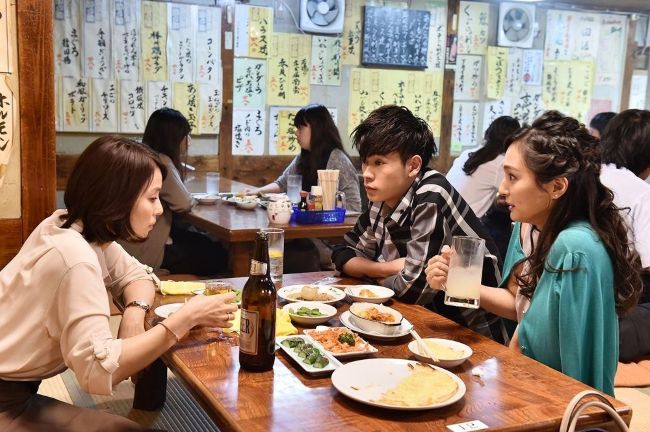
An izakaya is a casual Japanese dining place where you can order a variety of dishes — sashimi, grilled fish, yakitori, fried food, meat dishes, tofu, vegetables, rice, noodles and much more — and share them around the table.
And the food is often surprisingly good. From fresh seafood and carefully grilled skewers to comforting home-style dishes, many izakaya take great pride in what they serve.
Add Japanese beer, sake, shochu, highballs and sours, and you have one of Japan’s most enjoyable local dining experiences.
One table. Many dishes. A taste of everyday Japan.
01・THE BASICS
An izakaya is often described as a “Japanese pub,” but that doesn’t tell the whole story.
Food is just as important as drinks.
Unlike a restaurant where each person usually orders one main dish, at an izakaya you can order many different dishes for the table and share them together.
Start with edamame and sashimi. Add some yakitori, karaage or grilled fish. Try a Japanese home-style dish such as dashimaki tamago or nikujaga. Then finish with ochazuke, a grilled rice ball or noodles.
There are no strict rules. Order a little, share, talk, and order something else when you feel like it.
And you don’t have to drink alcohol to enjoy an izakaya. Many offer soft drinks and non-alcoholic beverages too, making them enjoyable for couples, families and small groups.
An izakaya can be a delicious introduction to everyday Japanese food culture.
02・WHY TRY IT?
01
Try Many Dishes in One Meal
One of the best things about an izakaya is variety. Instead of choosing just one main dish, order several smaller dishes and share them around the table. It’s an easy way to discover different flavors of Japan in a single meal.
02
Surprisingly Good Food
Don’t think of an izakaya as simply a place to drink. Many take their food seriously, offering fresh seafood, carefully grilled dishes and regional or seasonal specialties. Sometimes the dish you least expect becomes the highlight of the evening.
03
Good Food at a Reasonable Price
You don’t always need an expensive restaurant to enjoy good Japanese food. Izakaya dining is generally casual, with plenty of choices at different price levels.
04
Discover Japanese Drinks
Beer is only the beginning. Depending on the izakaya, you may find sake, shochu, highballs, fruit sours and other Japanese drinks, as well as soft drinks and non-alcoholic choices.
05
Share, Talk and Enjoy
Izakaya dining is made for sharing. Couples, families, friends and small groups can order different dishes together and enjoy the meal at their own pace.
03・MAIN GUIDE
A practical introduction to everyday dishes you can discover around one izakaya table.
01
Sashimi
Fresh Seafood, Simply Served
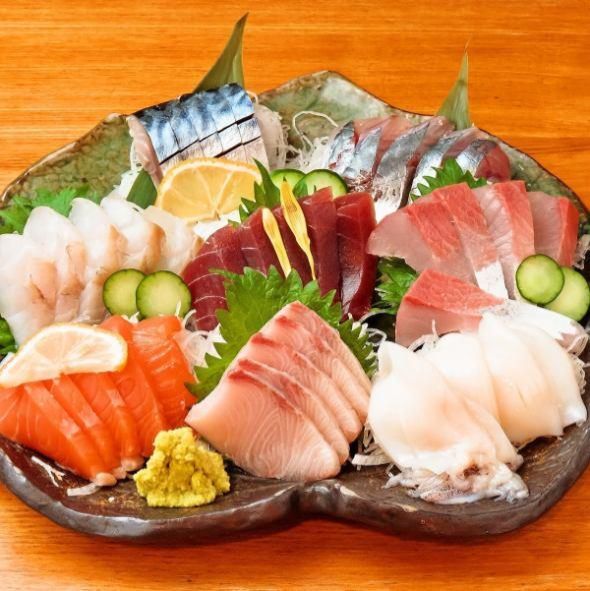
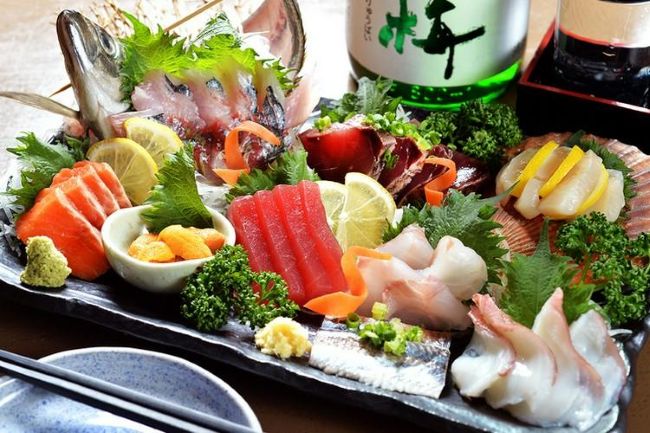
Sashimi is one of the easiest ways to enjoy the quality of Japanese seafood. A mixed sashimi platter may include tuna, salmon, white fish, squid or seasonal local fish. What you get depends on the restaurant and the season — and that is part of the fun.
Try it with: Soy sauce and a little wasabi
02
Yakitori & Kushiyaki
Small Skewers, Big Variety
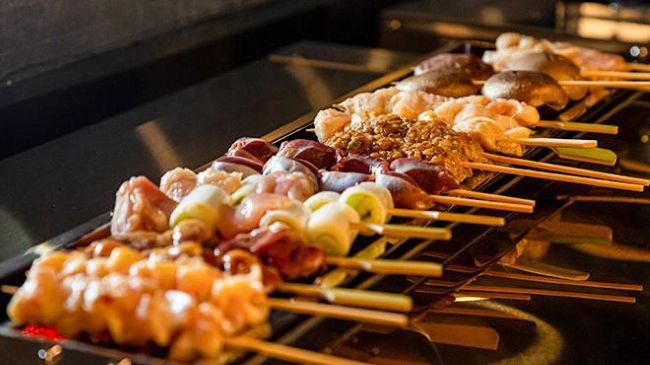
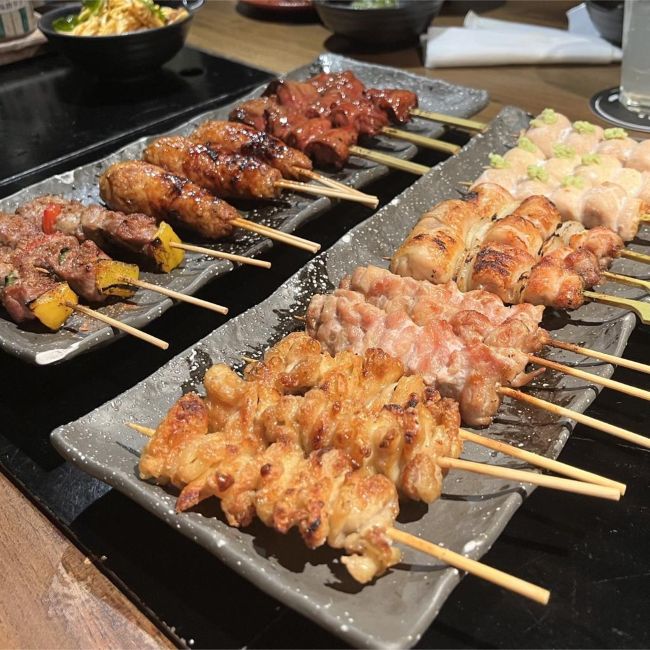
Yakitori is chicken grilled on skewers, usually seasoned with salt or a sweet-savory tare sauce. Try different cuts such as thigh, chicken skin and tsukune meatballs. Many izakaya also serve pork, beef, seafood and vegetables on skewers. Ordering several different skewers is part of the experience.
Try it with: Beer, sake or a highball
03
Fried Favorites
Crispy, Hot and Hard to Resist
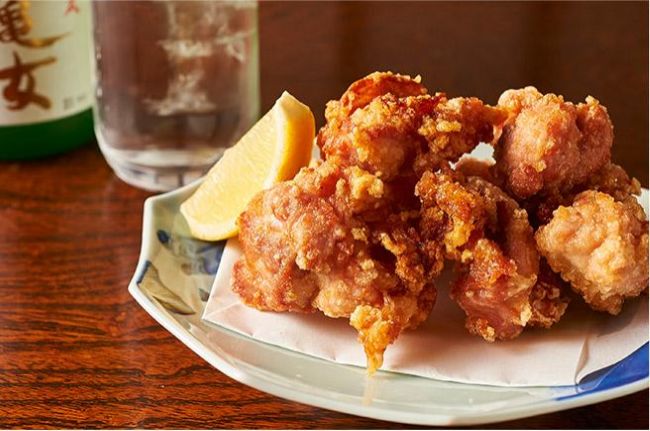
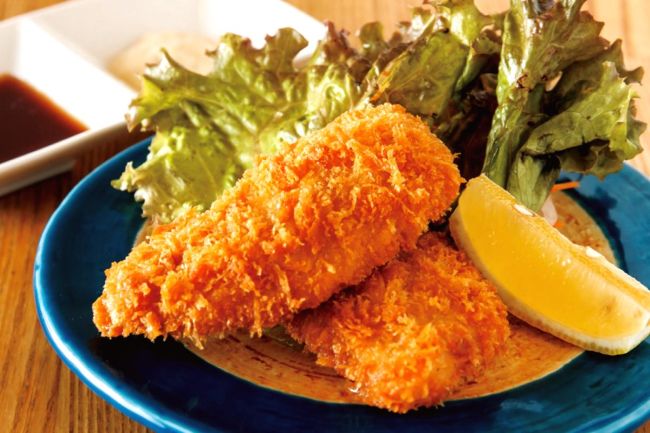
Karaage — Japanese-style fried chicken — is an izakaya classic, but don’t stop there. Try croquettes, aji-fry (fried horse mackerel), tempura or other seasonal fried specialties. Crispy on the outside and freshly cooked, these are some of the easiest dishes to order and share.
Don’t miss: Karaage and aji-fry
04
Grilled Fish
A Simple Japanese Favorite
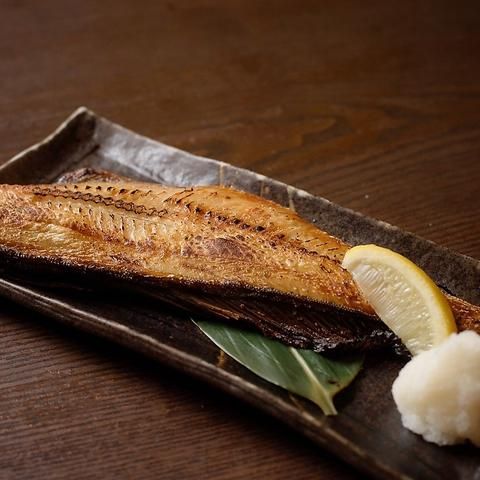
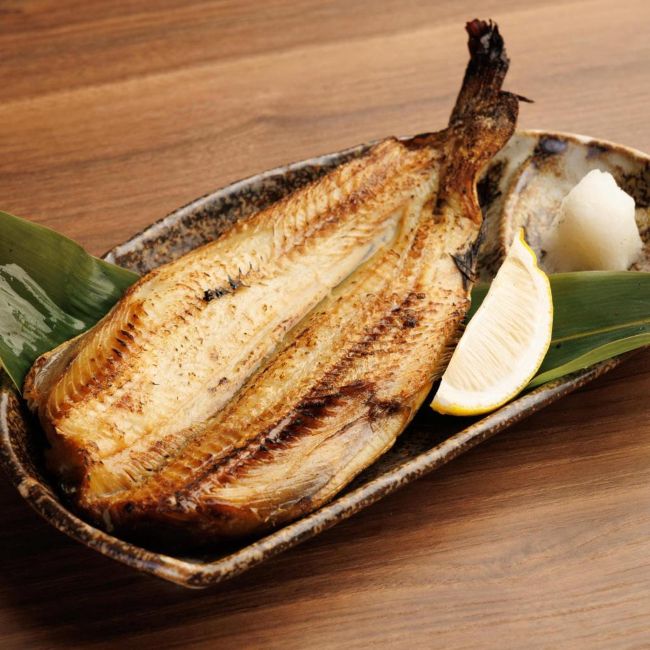
Grilled fish is an everyday part of Japanese food culture and a great dish to discover at an izakaya. Popular choices include hokke, salted mackerel and shishamo. You may also find grilled fish collars such as buri-kama, prized for their rich flavor and tender meat.
Don’t miss: Hokke or grilled fish collar
05
Japanese Meat Dishes
Comfort Food, Japanese Style
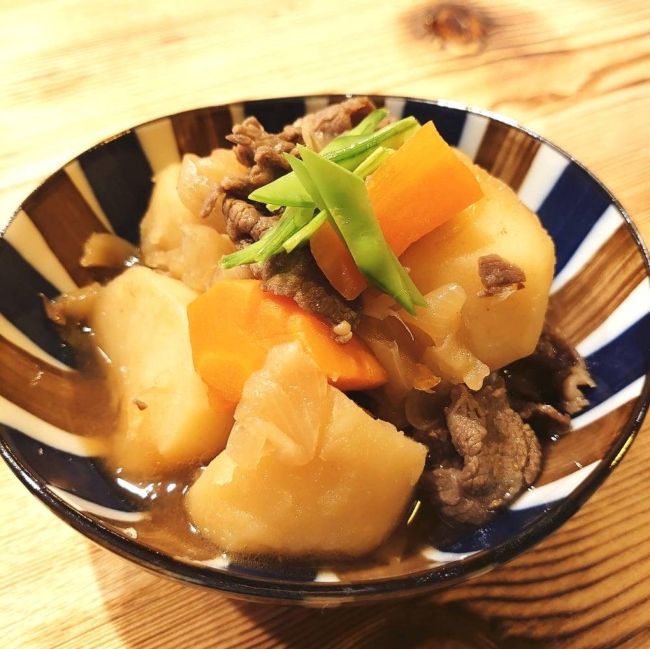
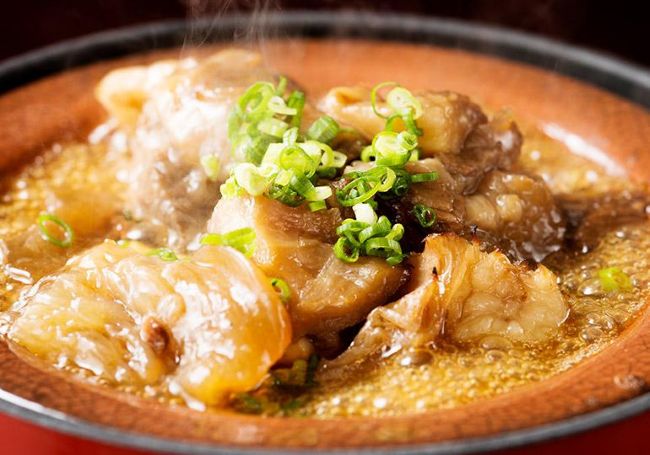
Izakaya menus often include hearty meat dishes that feel closer to Japanese home cooking than formal restaurant cuisine. Look for nikujaga — meat and potatoes simmered in a sweet-savory broth — beef tendon stew, braised pork belly, chicken wings or grilled beef tongue. These dishes offer a completely different side of Japanese cuisine.
Don’t miss: Nikujaga, beef tendon stew or braised pork
06
Hot Pot, Oden & Simmered Dishes
Warm, Social and Made for Sharing
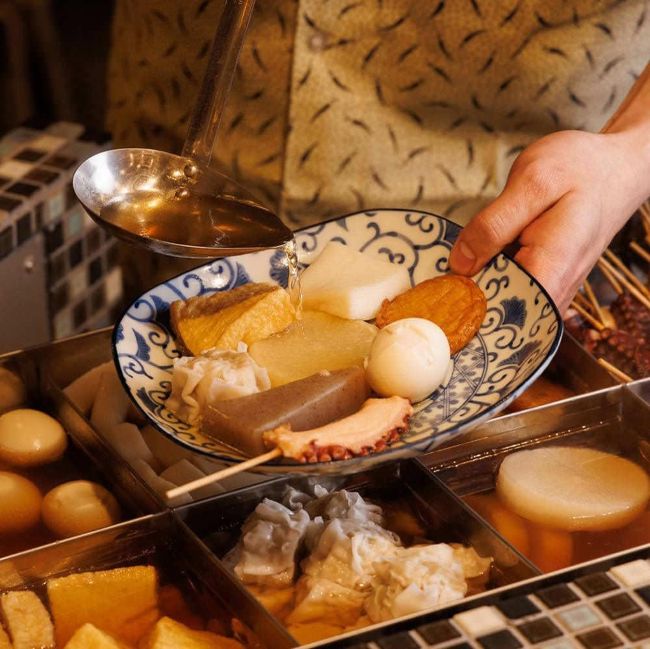
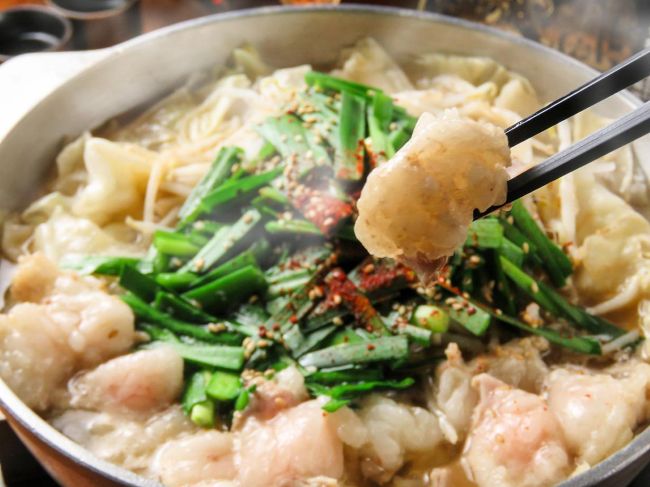
Hot pot is one of Japan’s great communal meals. Depending on the restaurant and season, you may find motsunabe, mizutaki, yosenabe or other regional hot pots. Oden is another favorite, with ingredients such as daikon radish, egg and fish cakes slowly simmered in a light broth. Especially comforting on a cold evening.
Best enjoyed: Together around the table
07
Edamame
The Classic First Order
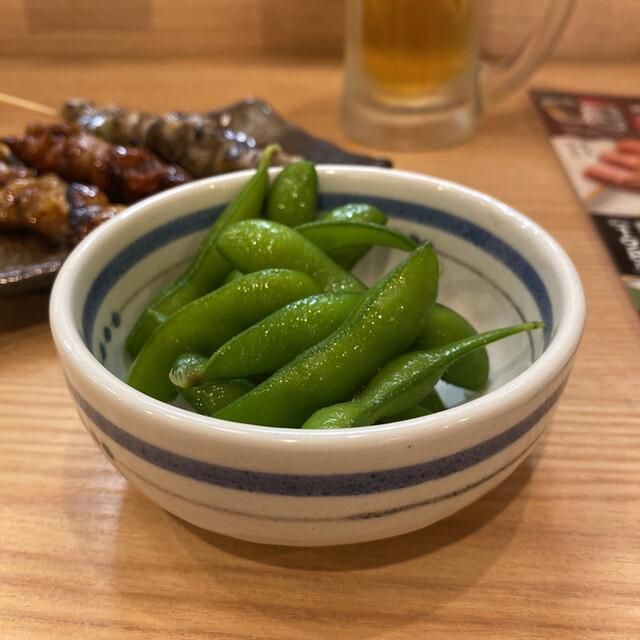
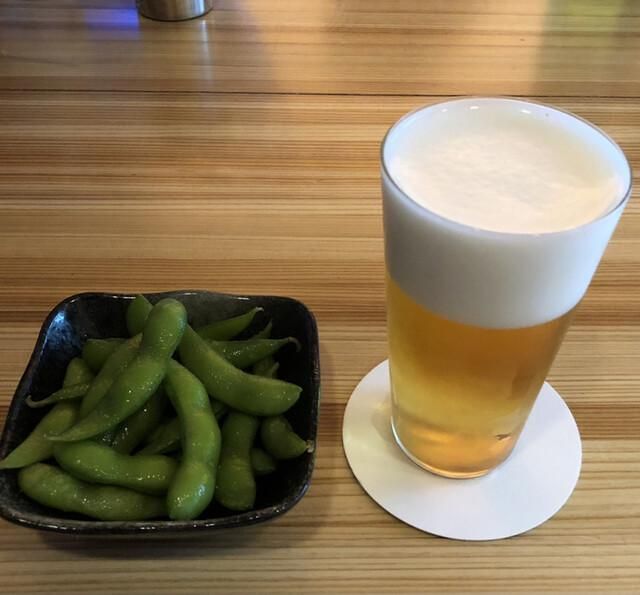
Simple, lightly salted and perfect for sharing. Edamame often arrives early in an izakaya meal and is one of the most familiar Japanese snacks to enjoy with a cold beer. Simple? Yes. But somehow it always belongs on the table.
08
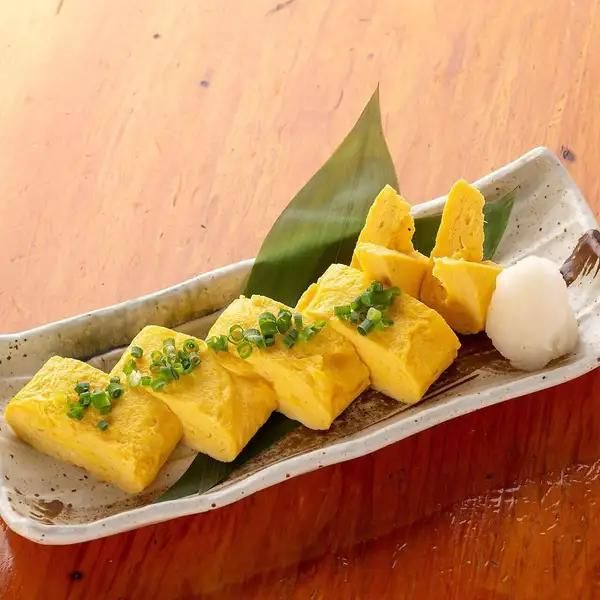
Dashimaki Tamago
Japanese Omelet with a Delicate Dashi Flavor
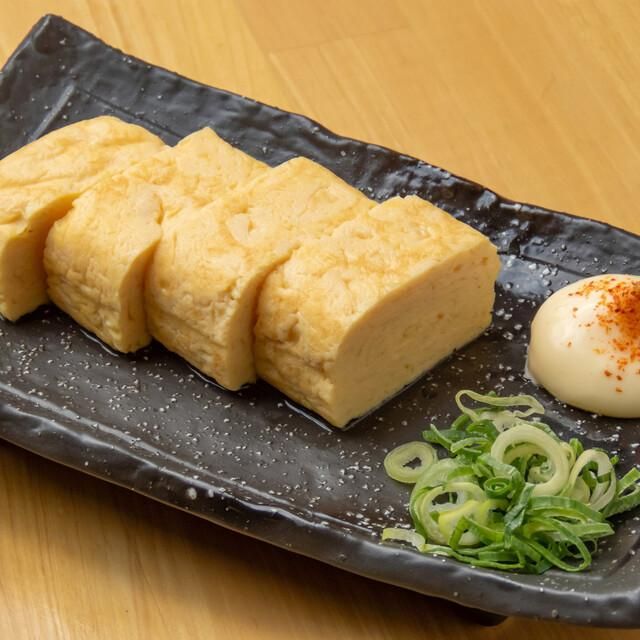
Soft, warm and gently flavored with Japanese dashi stock, dashimaki tamago is very different from a Western-style omelet. It is a simple dish, but making it well takes skill. This is exactly the kind of everyday Japanese favorite that visitors can easily miss if they only eat sushi and ramen.
Recommended for: Almost everyone
09
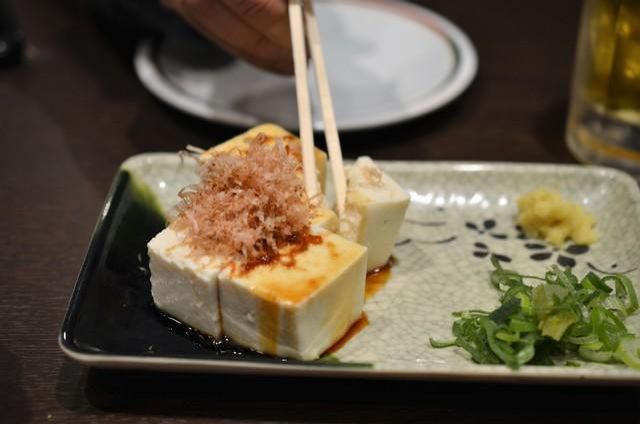
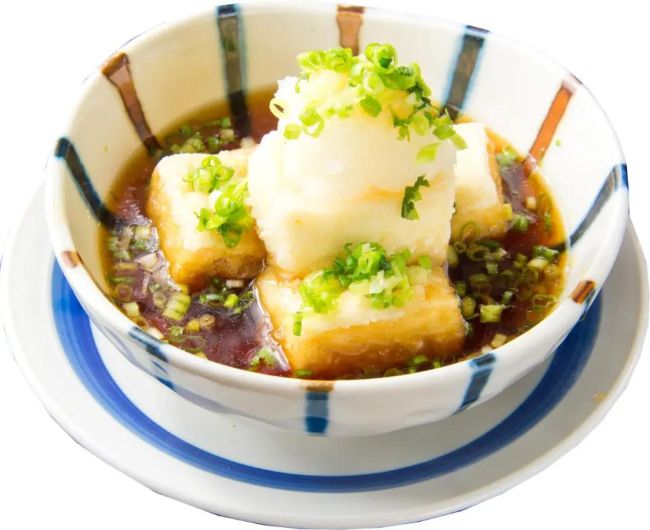
Tofu Dishes
Discover How Versatile Tofu Can Be
Tofu in Japan is much more than a vegetarian substitute. Try chilled hiyayakko topped with ginger and green onion, agedashi tofu served warm in dashi broth, or yudofu gently heated in a pot. Different preparations create completely different textures and flavors.
Don’t miss: Agedashi tofu
10
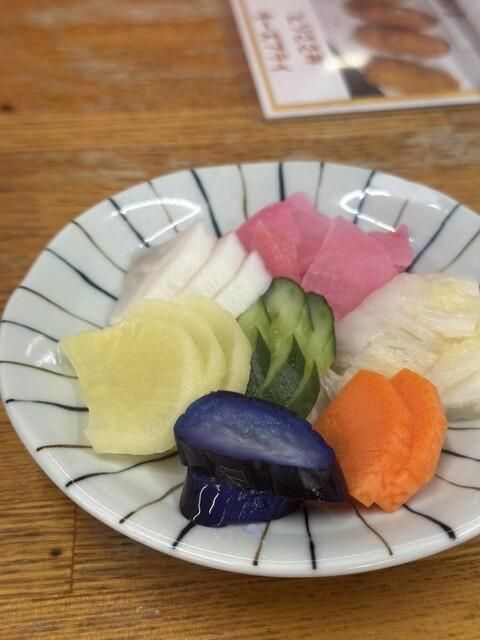
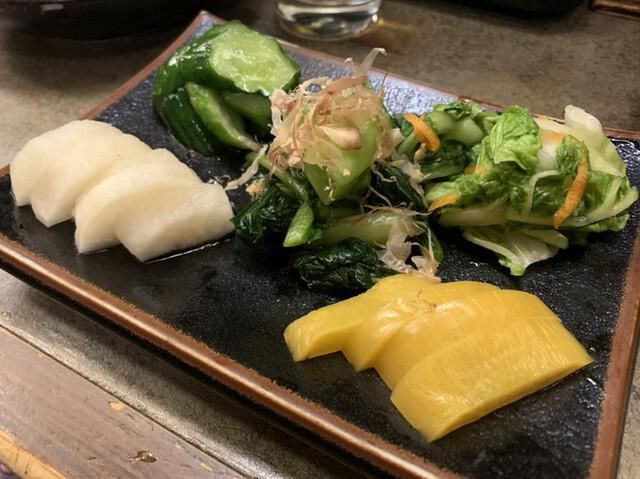
Japanese Pickles
A Small Dish with a Long Tradition
Japanese pickles — tsukemono — come in many varieties, from lightly pickled cucumber and daikon to richer regional styles. They add freshness and texture between other dishes and are also a classic companion to sake or rice. A small plate can introduce you to flavors that have been part of Japanese meals for generations.
11
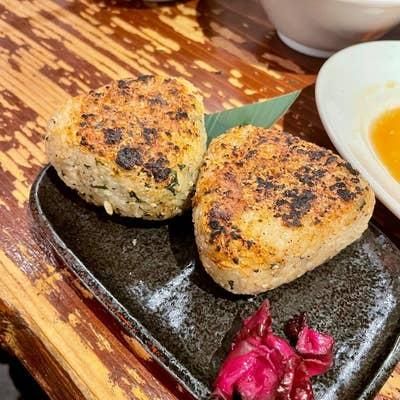
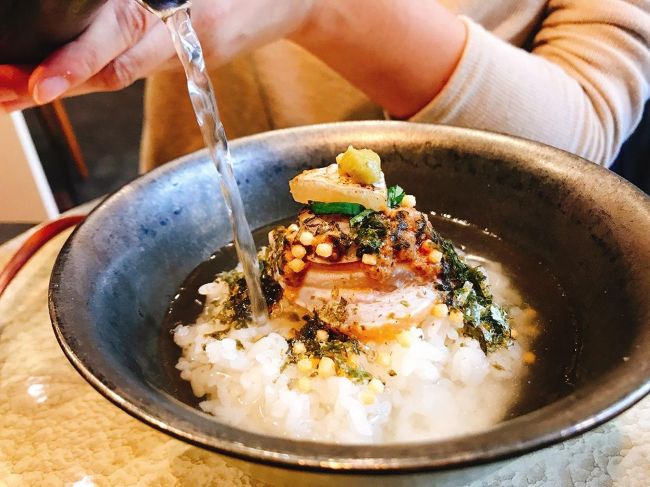
Rice to Finish
Ochazuke & Grilled Rice Balls
Many Japanese diners like to finish an izakaya evening with a simple rice dish. Ochazuke — rice served with tea or dashi — is light and comforting, while yaki-onigiri is a grilled rice ball with a savory, slightly crisp exterior. After many shared dishes and drinks, something simple can be the perfect ending.
Don’t miss: Yaki-onigiri
12
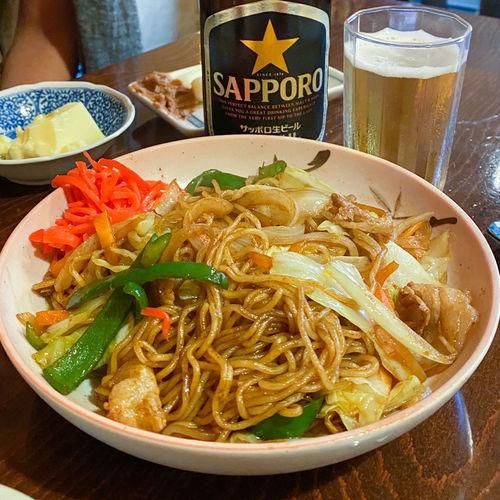
Noodles to Finish
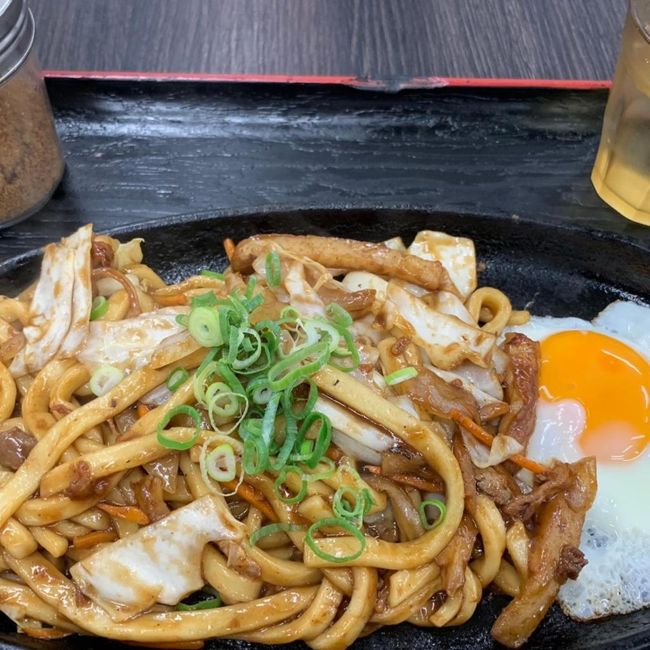
Yakisoba, Udon & More
Rice isn’t the only way to finish an izakaya meal. Many izakaya offer noodle dishes such as yakisoba, udon or other regional and seasonal specialties. Yakisoba — stir-fried noodles with vegetables, meat and a savory sauce — is especially popular for sharing. Depending on where you are in Japan, you may also discover a local noodle dish unique to the region.
Don’t miss: Yakisoba or a local noodle specialty
13
Japanese Desserts
Something Sweet to Finish
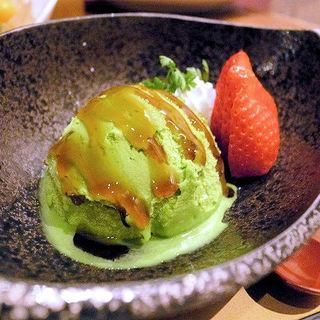
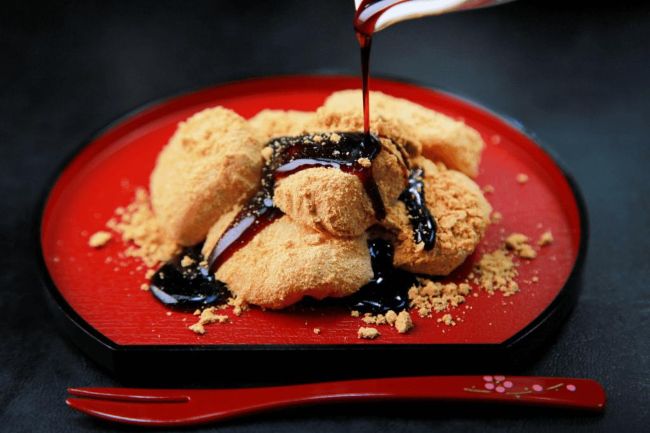
Save a little room. Many izakaya offer simple Japanese-inspired desserts such as matcha ice cream, warabi mochi, black sesame desserts or sweets served with kinako soybean powder and kuromitsu syrup. Menus vary from restaurant to restaurant, so check what is available.
A sweet finish: Matcha, kinako or seasonal flavors
DID YOU KNOW?
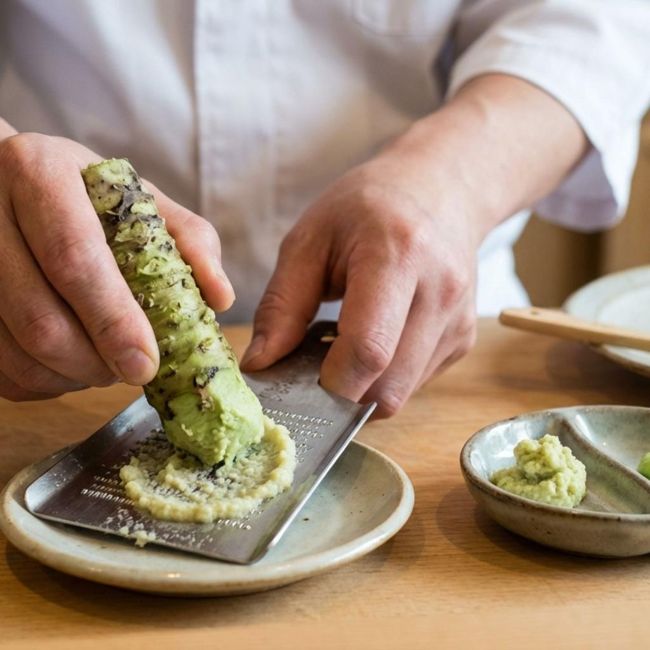
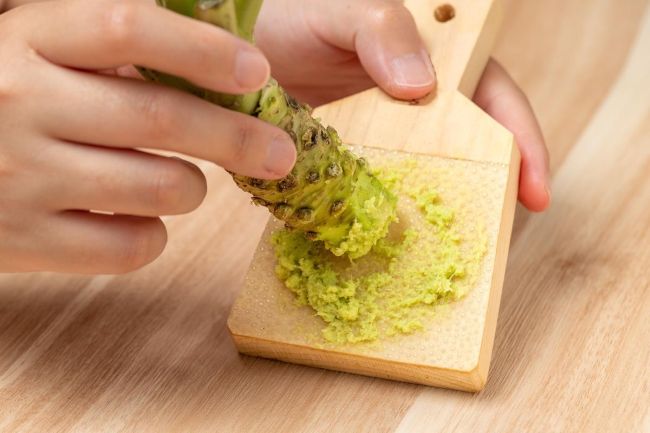
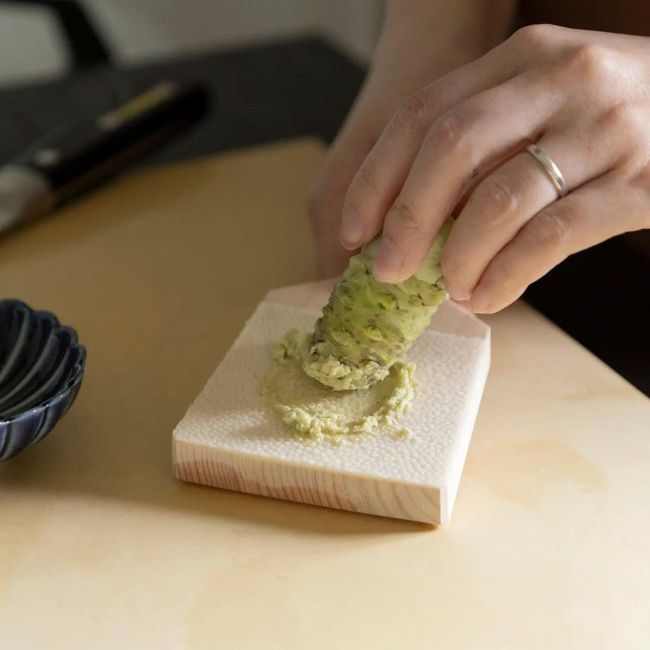
The wasabi you have tried outside Japan may not always be the same as freshly grated hon-wasabi — real Japanese wasabi.
Fresh wasabi has a distinctive aroma, gentle heat and fresh flavor that can be surprisingly different from prepared wasabi pastes.
Some izakaya, particularly those specializing in seafood or regional ingredients, may serve freshly grated wasabi with sashimi or other dishes.
You may also come across Japanese condiments such as grated daikon, ginger, green onion, shiso and yuzu kosho. These small additions play an important role in Japanese food, complementing the ingredients rather than overpowering them.
If you see hon-wasabi on the menu, give it a try. It’s a small taste of Japan that’s easy to miss.
04・FIRST VISIT
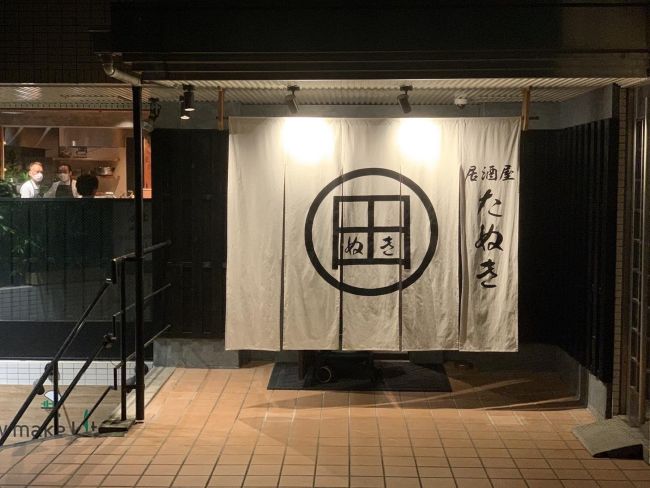
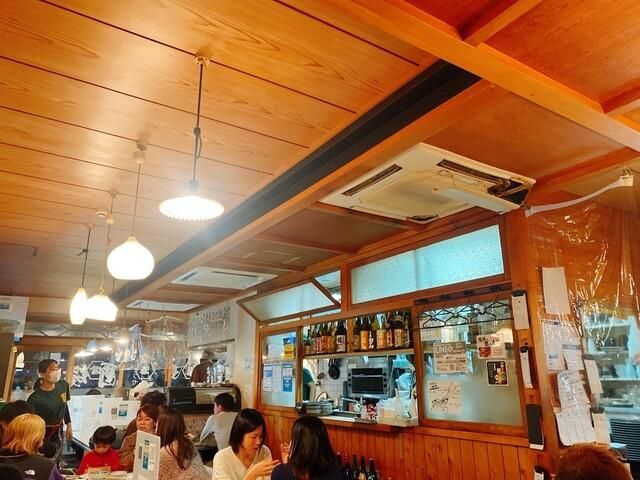
Walking into a local izakaya for the first time can feel a little intimidating.
Some smaller restaurants may have limited English menus. Dish names may be difficult to understand. You may not know how much to order, what to share, or even what some ingredients are.
You may also come across customs you haven’t seen before — such as otoshi, a small appetizer that is often served automatically with a table charge.
But don’t let that stop you.
Behind that door could be one of the most memorable meals of your trip.
With a little help — or a local guide — an izakaya becomes an easy and enjoyable way to discover dishes you might never order on your own.
“What’s that? Let’s try it.”
05・THE EXPERIENCE
Sushi is wonderful. Ramen is wonderful too. But Japan’s food culture doesn’t end there.
An izakaya gives you the chance to try many different sides of Japanese food at the same table — raw and grilled, crispy and simmered, seafood and meat, vegetables and rice, familiar flavors and completely new ones.
You don’t need a luxury restaurant to discover great Japanese food. And you don’t need to understand every item on the menu before you walk through the door.
Come hungry, order a few dishes, share them around the table, and try something you have never eaten before.
Eat. Drink. Share. Discover.
That’s the izakaya experience.
06・NIPPON PLUS
At Nippon PLUS, we want to help visitors discover Japan beyond the famous sights and familiar foods.
We will be introducing recommended izakaya and local dining experiences where international visitors can enjoy another side of Japanese food culture.
From casual neighborhood favorites to places that are easy for first-time visitors to enjoy, we’ll help you discover more ways to eat like a local in Japan.
More Izakaya stories, recommendations and experiences are coming soon.